Cystotome Cannulas in Cataract Surgery: Creating a Controlled Capsulotomy

What is a cystotome cannula?
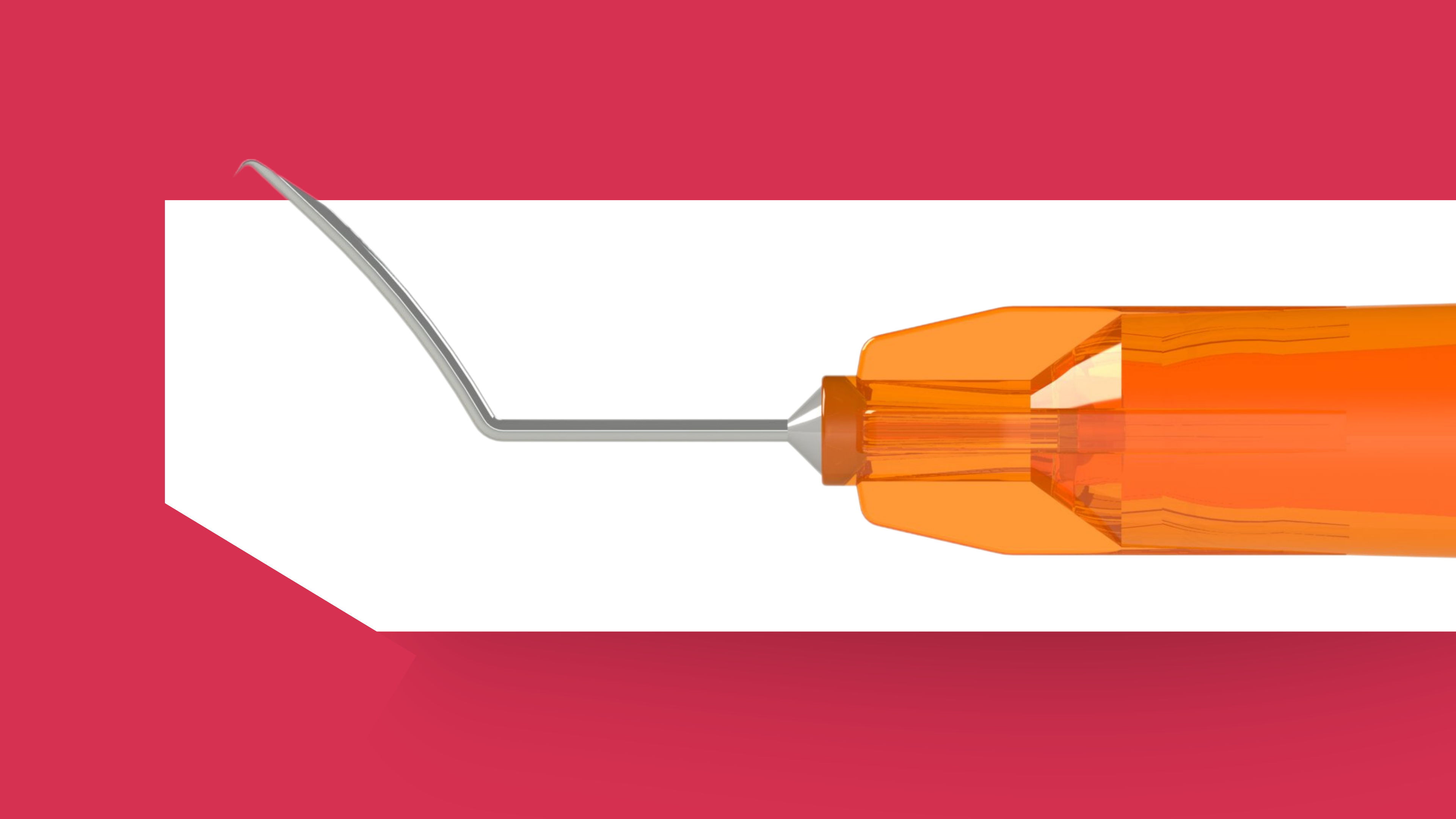
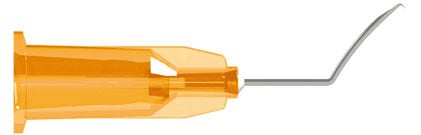
A cystotome is a specialised ophthalmic instrument featuring a sharp, angled tip used to create an incision in the anterior capsular bag during cataract surgery. It is one of several important ophthalmic surgical instruments used throughout modern cataract procedures.
Its primary purpose is to create a capsulotomy: an opening in the capsule that surrounds the eye's natural crystalline lens.
Once the surgeon creates this opening, they can remove the cloudy cataractous lens and implant an artificial lens while leaving the rest of the capsular bag intact to support the new IOL.
Why is capsulotomy important?
Types of capsulotomy techniques
Over the years, several techniques have been developed to create an opening in the lens capsule.
Earlier approaches, such as the can opener and envelope techniques, involved creating a series of cuts or openings in the capsule. While effective for older cataract procedures, these methods could leave irregular edges that were more susceptible to tearing.
With the development of modern phacoemulsification techniques and folding and injectable lenses, capsulorhexis has become the preferred method of creating a capsulotomy. This method creates a smooth, circular opening in the capsule, which offers greater strength and stability during cataract extraction. The circular shape helps distribute forces evenly and supports accurate positioning of the intraocular lens. For this reason, capsulorhexis has become the standard approach in modern cataract surgery.
How is a cystotome cannula used in cataract surgery?
Before the capsulotomy, the anterior chamber must be filled with OVD (viscoelastic) – filling this space helps to flatten the surface of the lens and makes it easier to tear the capsule in a neat circle. Using the sharp tip, the surgeon will start by puncturing the centre of the lens capsule and cutting outwards towards the equator, followed by a short cut to the side – this forms an ‘L’ shape. This flap can then be carefully torn in a circular motion.
In some cases, the entire capsulorhexis can be completed using the cystotome cannula itself, while other surgeons may choose to use forceps after the initial opening has been created. Regardless of technique, the goal is the same: a precise, centred opening that allows safe cataract removal and lens implantation.
Key features of a cystotome cannula
Angled shaft
The angled shaft helps surgeons reach the surgical site more easily, particularly when working around the patient's natural facial anatomy such as the browbone.
Formed shaft
A formed shaft follows the natural contour of the crystalline lens, helping to position the tip correctly against the anterior capsule during the capsulotomy.
Sharp, bent tip
The pointed tip allows surgeons to puncture the capsule, create a flap, and guide the opening with precision.
Range of sizes
Available in gauges ranging from 25G to 30G, cystotome cannulas allow surgeons to select an instrument that suits their preferred technique and surgical demands.
Why precision matters
The lens capsule is a delicate structure, and maintaining control throughout the procedure is essential.

Sterimedix cystotome cannulas for cataract surgery
Sterimedix has been manufacturing single-use ophthalmic devices since 1989, making a meaningful difference in patient outcomes for over 35 years. Based in Redditch, UK, our products are used by ophthalmic professionals worldwide.
Combining traditional craftsmanship with advanced manufacturing technologies, we produce high-quality ophthalmic instruments in modern cleanroom facilities to ensure safety, reliability, and consistency.
We publish regular updates on clinical and market developments in ophthalmology in our news section.